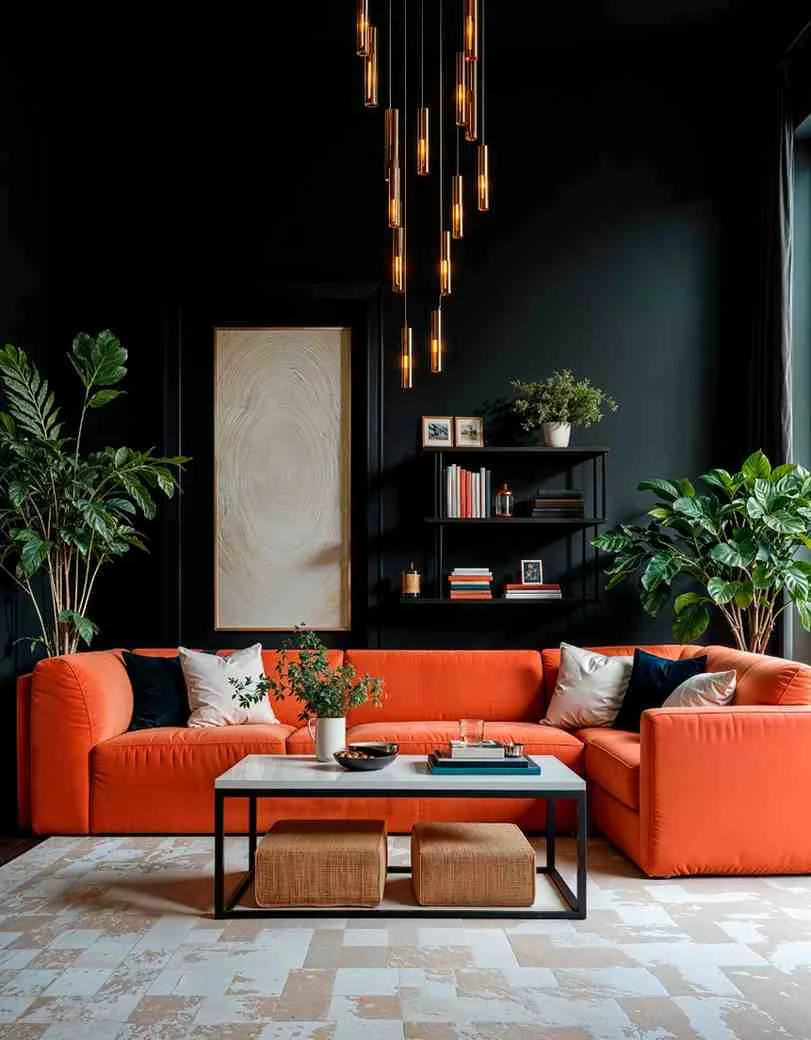

By 2026, India’s offices look a lot different than they used to. Forget rows of desks and stiff cubicles; now, it’s all about spaces that feel lively and inviting. Walk around places like BKC in Mumbai or the new business spots in Thane, Bengaluru, Hyderabad, and Chennai, and you’ll see companies shaking up the old idea of what an office should be.
A few things are driving this shift. Hybrid work is here to stay, employees expect more from their workplaces, and there’s a boom in new commercial spaces. So, the office isn’t just somewhere you have to show up; it’s somewhere people actually want to spend time.
Let’s dive into the biggest office layout trends that are changing the way people work in India. These trends come straight from recent market numbers and what’s really happening on the ground.
Key Office Space & Workplace Stats (India, 2025–26)
| Metric | Value | Source |
|---|---|---|
| India to supply ~40% of Asia-Pacific Grade-A office space in 2026 | ~24.5 million sq. ft. (40% of 61.3M sq ft) | CBRE report (2026) |
| Flexible office stock in India by 2026 | ~100 million sq. ft. | Cushman & Wakefield |
| Share of occupiers increasing flexible workspace use | ~58% by 2026 | CBRE occupier survey |
| Hybrid/flexible models adoption (large enterprises) | ~68% | The Instant Group (2026 trend) |
| Vacancy rates in major office markets | ~15.7% (2025) | Market absorption trends |
| Companies are tightening RTO policies | E.g., 6-hour office day rule | Wipro policy shift (2026) |
These figures show India’s continued office space growth, strong demand for flexible office models, and evolving hybrid work rhythms that deeply influence workspace design.
Why 2026 Changes Everything: The Office Becomes a Destination
Remember those endless rows of desks and stuffy cubicles? They’re pretty much history. By 2026, hybrid work isn’t just a temporary fix; it’s how companies actually think about the workplace. Now, offices get designed to fit the way people want to work: balancing flexibility, wellbeing, sustainability, and digital life.
You see this shift everywhere, but especially in India’s big business cities. Demand for office space is still hot, and companies competing for the best talent are totally reimagining what the office can be.
Regional Office Market Comparison: India (2026)
As the Indian office landscape evolves, each city’s real estate dynamics, hybrid adoption rates, and preferred workspace design trends reflect local demand, industry mix, and corporate strategy. The table below highlights the broader picture for 2025–26 based on leasing activity, rental growth, and workplace preferences across major Indian hubs:
| City | Avg Rent (₹/sq.ft/month) | Hybrid Adoption Trend | Popular Layout Trend |
|---|---|---|---|
| BKC (Mumbai) | ₹200–₹350+ (highest national rents) | ~45–50% hybrid use + premium workspace focus | Workspitality + ABN — hospitality-inspired comfort & collaborative zones |
| Thane | ₹100–₹160+ (emerging satellite hub) | ~50% hybrid + cost-effective office expansion | Modular Zones + Elastic Capacity — flexible layouts for growing teams |
| Pune | ₹90–₹150 (growing leasing activity) | ~40–45% hybrid as GCC/tech demand rises | Biophilic Design + Sound Pods — wellness and focused spaces |
| Bengaluru | ₹120–₹250 (strong growth in tech hubs) | ~55–60% hybrid strong adoption | Tech-enabled & Flexible Workstations — smart layouts & scalable zones |
| Hyderabad | ₹70–₹95 (rapid leasing growth) | ~50–55% hybrid + flexible space utilization | Flexible Tech Spaces + Focus Pods — data-informed, agile zones |
What does this mean for Workspace Design in 2026?
- BKC & Mumbai:
As corporate headquarters and financial services firms prioritise employee experience, design trends here lean toward Workspitality, Activity‑Based Neighbourhoods (ABN), and high‑end collaborative zones that support hybrid teams without sacrificing comfort or brand identity. - Thane & Suburban Hubs:
Growth in office space here reflects companies decentralising operations and valuing more cost‑efficient spaces while still adopting elastic capacity and modular zone approaches — especially for hybrid squads that fluctuate daily. - Pune:
With strong GCC and IT services demand, Pune’s offices are adopting biophilic elements and strategic focus zones (like soundproof pods), catering to productivity and employee wellbeing. These trends complement hybrid work without large footprint increases. - Bengaluru:
Often leading in leasing activity and office supply absorption, Bengaluru’s hybrid adoption is among the highest. Mature tech demand supports tech‑enabled layouts, smart workstation schemes, and sensor‑driven space analytics across campuses. - Hyderabad:
Rapid rental growth and occupancy trends are reinforcing flexible office adoption — whether via managed spaces, tech‑integrated conferencing zones, or collaborative neighbourhoods — reflecting its position as a rising IT and enterprise hub.
Hybrid Adoption & Layout Implications
Across these cities, hybrid work adoption remains a key driver of space strategy:
- Companies are optimizing layouts to support 40–60% hybrid attendance, combining open collaboration zones with acoustic sanctuaries and private meeting spaces.
- Flexible design elements like elastic zones, movable partitions, and modular furniture are table stakes in 2026.
- Data usage for occupancy and space planning is growing rapidly, especially in tech‑centric markets like Bengaluru and Hyderabad, influencing decisions about meeting room ratios, breakout areas, and focus zones.
The New Standard: Spaces That Flex With You
Hybrid work isn’t just about splitting time between home and office. It’s about building spaces that actually adapt. Offices are getting smart about how they use space:
- Rooms and work areas flex depending on who’s in the office that day.
- Partitions and meeting areas move around as teams need them.
- Even the furniture gets in on it. One minute, you’ve got a quiet solo zone, the next it’s all about group collaboration.
This way, companies avoid expensive remodels every time team sizes change. People just flow through the office naturally, no bottlenecks or awkward corners.
Activity-Based Neighborhoods (ABN)
Forget about organizing desks by department. Offices now group spaces by what you’re actually doing: heads-down work, brainstorming, hanging out, or learning something new.
The Collaboration Spine: Where Ideas Spark
The center of all this? The Collaboration Spine. It’s one long, connected zone designed for those random chats and lightbulb moments. You’ll see comfy chairs, writable walls, café-style lounges, and everything you need for casual catch-ups and idea swaps. It’s a big reason why teams feel more creative and connected.
Acoustic Sanctuaries: The Need for Quiet
When open spaces grow, so does the need for places to escape the noise. Soundproof pods and quiet rooms are now must-haves. They’re perfect for deep focus, private calls, or just taking a breather.
“Workspitality”: Offices With a Warm Touch
The line between office and hotel lobby is getting blurry. Designers borrow from hospitality, think soft couches, layered lighting, cozy corners. You’ll find wellness rooms, nap pods, balconies for a break, even micro-cafés and game zones. All this makes coming back to the office a lot easier and helps people feel at home.
Data-Driven Everything
In 2026, offices run on data. Sensors and software track which desks people use, how busy meeting rooms get, where people move, and even how comfortable the air feels. This info helps companies tweak layouts, plan for growth, and, most importantly, keep employees happy and productive.
2026 Design Trends Changing Indian Offices
There’s even more going on behind the scenes:
Wellness & Biophilic Design: Offices bring in natural materials, living walls, and more sunlight to boost health and spark creativity.
Tch Integration Everywhere: Smart desks, hybrid meeting gear, and AI-powered space tools are just part of daily life.
Sustainability & ESG: Flexible, green materials and energy-saving systems aren’t just nice to have, they’re expected.
Decentralized Work Hubs: Companies open satellite offices closer to where people live, cutting down on long commutes and supporting work-near-home initiatives.
What’s Changing in Office Layouts (2026)
| Trend | What It Means | Why It Matters |
|---|---|---|
| Elastic Capacity | Flexible space use | Scales with hybrid attendance |
| ABN (Activity Zones) | Focus/collaboration neighbourhoods | Supports diverse work styles |
| Acoustic Sanctuaries | Soundproof pods | Improves concentration |
| Workspitality | Comfort + hospitality design | Enhances employee engagement |
| Data-Driven Management | Real-time utilisation tracking | Optimises space investment |
| Wellness Design | Biophilic, ergonomic features | Supports health & performance |
| Sustainability | Eco-materials & energy efficiency | Aligns with ESG goals |
Conclusion: Offices as Culture Hubs
In 2026, the office isn’t just where you work; it’s where company culture lives. From the luxury spaces at BKC to satellite hubs in Thane, businesses are pouring energy into places that help people connect, create, and feel good.
All these changes aren’t just about looks. They’re about designing for real people, shaping how India’s workforce comes together, shares ideas, and grows.
FAQs: Office Layout Trends in India (2026)
- What is hybrid office design in 2026?
A hybrid office balances in‑person and remote work with flexible layouts, modular furniture, and tech‑enabled spaces that adapt to fluctuating attendance patterns.
- Why are activity‑based neighbourhoods (ABN) important?
ABNs group office zones by activity type (focus, collaboration, social) rather than department — helping teams work in the mode that best suits their task.
- What role does acoustics play in modern office design?
Soundproof pods and acoustic materials are crucial because they help reduce noise distractions and support both collaborative and focused work.
- How is India’s office market evolving?
India is expected to contribute about 40% of APAC’s Grade‑A office supply in 2026, reflecting strong demand for quality workspace.
- Are companies increasing flexible office space usage?
Yes — surveys show roughly 58% of organisations plan to expand flexible office portfolios by 2026.
- What is “workspitality”?
Workspitality blends workplace design with hospitality principles — making offices feel welcoming, comfortable, and conducive to employee wellbeing.
- How is sustainability influencing office design?
Sustainability has become non‑negotiable, with energy‑efficient systems, eco‑materials, and responsible procurement shaping 2026 office interiors.