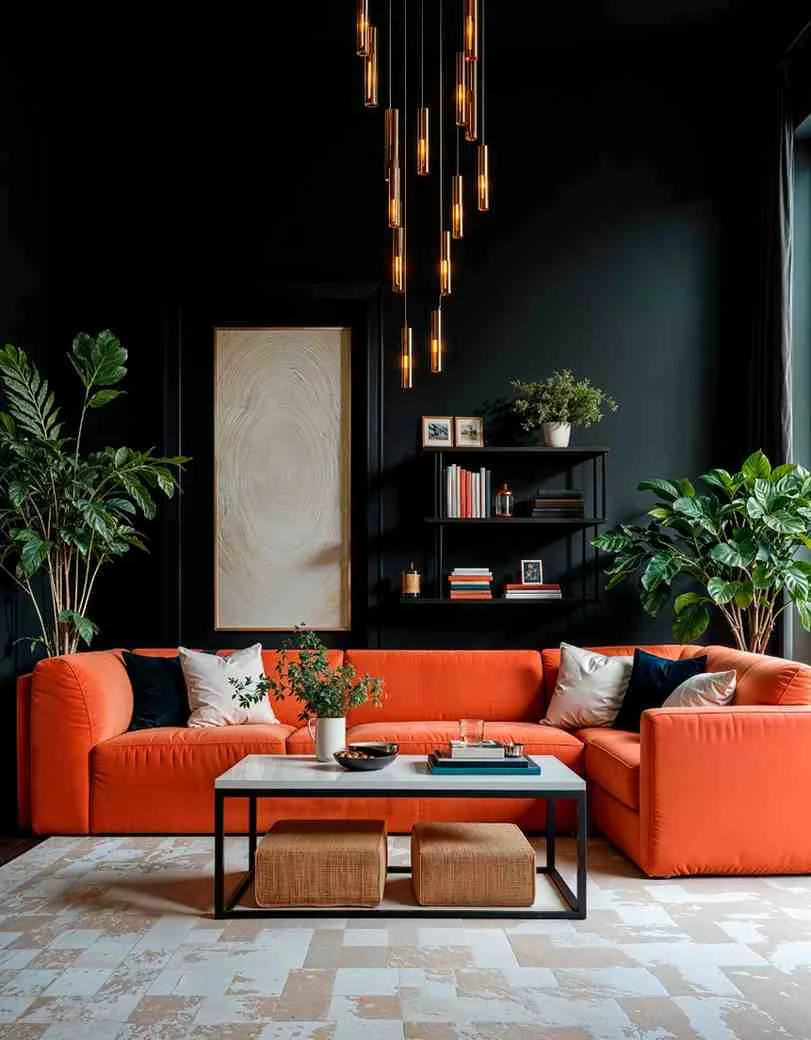

Mumbai’s luxury real estate scene is on fire in 2025. The premium residential market? It’s already worth more than ₹55,000 crore. As more wealthy folks make Mumbai their home base, they’re looking for interiors that don’t just look good; they want smart, modern, and stylish spaces. In fact, demand for luxury home interiors in Mumbai jumped 42% in just the first few months of the year.
People aren’t just buying fancy apartments; they want homes that show off their taste and way of life. Think sleek tech, eco-friendly touches, and that classic, timeless feel—all rolled into one.
In this guide, we dive into the latest design trends, must-have features, and expert advice for creating luxury home interiors in Mumbai. If you want your space to stand out and truly feel high-end in 2025, you’re in the right place.
The Mumbai Luxury Living Landscape
Mumbai’s high-end housing scene has really shifted in 2025. Places like South Mumbai, Worli, BKC, and Lower Parel, these spots aren’t messing around. Luxury apartments there go for anywhere from ₹8 crore to a jaw-dropping ₹40 crore.
And the homes themselves? They’re getting bigger. Most luxury flats now stretch out to 2,500–4,500 square feet. Some penthouses even break past 6,000.
Dig a little deeper, and you’ll notice something interesting: 68% of Mumbai’s luxury homebuyers are putting down serious cash, ₹4,500 to ₹7,500 per square foot, just on interiors. They care less about flashy, old-school extravagance and more about getting quality, personal touches, and the latest tech woven into their living spaces.
Top Design Trends Defining Luxury Home Interiors in Mumbai
1. Sustainable Luxury Design 🌿
In Mumbai’s luxury homes today, sustainability is no longer optional. Homeowners genuinely care about where materials come from and how their homes impact the environment. Around 73% of high-end homeowners now actively choose eco-friendly interiors, but they are clear about one thing. It still has to look and feel luxurious.
You’ll see this in the materials being used. Designers are opting for FSC-certified wood, recycled metal details, and eco-friendly stone finishes that look refined and timeless. Homes are also becoming smarter about energy. LED lighting that follows natural circadian rhythms and solar-integrated power backups are now common features rather than upgrades.
Another big shift is bringing nature indoors. Living green walls, indoor herb gardens, and water-positive landscaping help create calmer, healthier spaces. It’s no surprise that LEED and IGBC-certified luxury interiors have increased by 58% in Mumbai’s premium homes this year.
Also Read: Designing Luxury Interiors for Compact Mumbai Apartments
2. Smart Home Integration 🤖
Luxury homes in 2025 are not just beautifully designed, they are intelligent. In fact, 84% of high-end residences in Mumbai now come with some form of advanced home automation.
Homeowners love the ease of voice-controlled lighting, climate, and entertainment systems. Security has also evolved, with AI-powered systems offering facial recognition and remote monitoring. Automated blinds and curtains adjust themselves based on sunlight and temperature, while integrated wellness systems quietly track air quality and humidity throughout the home.
Because of how seamlessly these systems fit into daily life, smart home technology now takes up around 15 to 20% of the total interior budget. For most luxury homes, that translates to an investment of roughly ₹18 to ₹25 lakhs.
3. Minimalist Luxury with Statement Pieces ✨
The idea of luxury has become much more curated. Instead of filling spaces with décor, homeowners are choosing fewer pieces that truly stand out.
Modern luxury living spaces in Mumbai feature clean architectural lines and generous ceiling heights of 12 to 14 feet. Colour palettes are kept calm and neutral, with warm greys, beiges, and ivory tones, occasionally lifted by a rich jewel-tone accent.
Rather than multiple decorative items, each room usually has one or two statement pieces that feel almost museum-worthy. Hidden storage solutions are also a key part of this approach, helping homes feel open, uncluttered, and visually calm. The focus is clearly on craftsmanship and quality rather than quantity.
4. Multifunctional Wellness Spaces 🧘♀️
Wellness has become a central part of luxury home design, especially after the lifestyle changes of recent years. Today, most premium homes dedicate around 200 to 400 square feet to wellness-focused spaces.
These often include private gyms with professional equipment, quiet meditation or yoga rooms with proper soundproofing, and spa-like bathrooms with steam rooms and therapeutic showers. Dedicated home offices are also designed with ergonomics and comfort in mind.
Designers now say that 91% of luxury projects in 2025 include at least one wellness zone. For homeowners, this is no longer a luxury feature, it’s a necessity.
5. Indian Contemporary Fusion 🇮🇳
There is a growing appreciation for Indian craftsmanship, but with a modern twist. Luxury homes are blending global design sensibilities with elements that feel rooted in Indian culture.
You’ll find contemporary interpretations of traditional jali work used in partitions or feature walls. Handcrafted furniture made by Indian artisans is being designed in clean, modern forms. Many homeowners are also curating art collections from emerging Indian artists and using heritage textiles in updated colour palettes.
This approach creates homes that feel uniquely Indian while still being sophisticated and globally relevant. It’s personal, meaningful, and timeless.
Also Read: Designing Homes that are always diwali- ready
Essential Elements of High-End Living Spaces
Luxury homes in Mumbai today aren’t just about size or price tags; they’re about how a space feels when you live in it every day. From the cool touch of marble under bare feet to lighting that shifts with your mood, true luxury is thoughtful, layered, and deeply personal.
Premium Materials & Finishes
Materials are the foundation of any high-end interior; they set the tone the moment you walk in.
Stonework
Italian Calacatta marble, rich Emperador brown, and premium Kishangarh marble remain favourites for floors, walls, and statement surfaces.
(₹800–₹3,500 per sq ft)
Flooring
Engineered hardwood for warmth, porcelain tiles that beautifully mimic natural stone, and polished concrete with subtle inlays for a modern edge.
Wall Treatments
Venetian plaster adds softness and depth, textured wallpapers bring personality, and acoustic wood paneling balances aesthetics with comfort.
(₹450–₹2,200 per sq ft)
💡 In luxury homes, materials typically account for 35–40% of the total interior budget, because quality is something you see, touch, and feel every day.
Bespoke Furniture Solutions
True luxury is never off-the-shelf.
In 2025, custom-designed furniture has become the defining signature of high-end homes:
- 76% of luxury interiors feature made-to-order pieces
- Investment ranges from ₹25–60 lakhs for a 3,000 sq ft home
Popular choices include:
- Sleek Italian modular kitchens
- Walk-in wardrobes with smart, intuitive organization
- Convertible entertainment units that hide technology when not in use
Every piece is designed around how you live, not the other way around.
Lighting Architecture
Lighting is what turns a beautiful house into a magical one.
Luxury homes rely on layered lighting:
- Ambient lighting for overall warmth
- Task lighting for function
- Accent lighting to highlight art, textures, and architecture
Designer fixtures from Flos, Artemide, and Louis Poulsen elevate spaces, while cove lighting and LED strips add drama without shouting. Floor-to-ceiling windows ensure natural light remains the star during the day.
💡 A comprehensive luxury lighting plan typically costs ₹8–15 lakhs, and it’s worth every rupee.
Curated Art Collections
Art is no longer an afterthought, it’s a statement of identity.
High-end Mumbai homes now dedicate 8–12% of their interior budgets to:
- Contemporary Indian artists and emerging talent
- Sculptural installations that anchor a space
- Gallery-style lighting and display systems
- Rotating art programs to keep interiors feeling fresh
Art doesn’t just decorate, it tells your story.
Room-by-Room Design Excellence
Living Areas
Luxury living rooms are designed for flow, conversation, and connection.
- 400–600 sq ft of open-plan space
- Seamless transitions to balconies or decks
- Concealed entertainment systems
- Seating layouts that encourage conversation
- Double-height volumes in penthouses (where possible)
These are spaces meant to host and unwind.
Master Suites
Today’s master bedroom is a private retreat.
Typically 350–500 sq ft, it includes:
- Spa-inspired bathrooms with freestanding tubs and rain showers
- Walk-in wardrobes (150–200 sq ft) with automated systems
- Private sitting areas or quiet work corners
- Smart climate control and full blackout solutions
It’s a space designed to help you disconnect and recharge.
Modern Kitchens
The kitchen has become the heart of the luxury home.
- Italian or German modular kitchens (₹12–28 lakhs)
- Smart, IoT-enabled appliances
- Island counters with casual breakfast seating
- Concealed pantries and appliance garages for a clutter-free look
📊 Kitchens now account for 18–22% of the total interior investment, blending performance with beauty.
Outdoor Living
In Mumbai, outdoor space is a luxury, and it’s being used beautifully.
High-end terraces often include:
- Landscaped gardens with automated irrigation
- Outdoor kitchens and dining zones
- Weather-resistant furniture and soft ambient lighting
- Sky gardens with native plants (400–800 sq ft)
These spaces become natural extensions of the home, perfect for evenings, gatherings, and quiet mornings alike.
Investment & Timeline Considerations
Designing a luxury home in Mumbai is both a financial and emotional decision. Knowing where your money goes and how long the journey takes helps set clear expectations from day one.
Current Cost Structure (2025)
Luxury interior costs in Mumbai broadly fall into three tiers:
- Basic Luxury: ₹3,500 to ₹5,000 per sq ft
- Premium Luxury: ₹5,000 to ₹7,500 per sq ft
- Ultra-Luxury: ₹7,500 to ₹12,000+ per sq ft
The final figure depends on material choices, the level of customization, imported elements, and the extent of technology integration.
Typical Budget Breakdown
A well-balanced luxury interior budget is usually divided as follows:
- Construction & Civil Work: 35%
- Furniture & Fixtures: 40%
- Decor, Art & Accessories: 15%
- Technology & Automation: 10%
This balance ensures the home feels solid and timeless while maintaining comfort and visual richness.
Project Timelines
Luxury interiors take time, and that is a good thing.
- Total duration: 8 to 14 months
- Design development: 2 to 3 months
- Execution and installation: 6 to 11 months
Custom furniture, imported materials, and artisanal finishes require longer lead times; however, they are what elevate a home from well-designed to truly exceptional.
Choosing Your Design Partner
Your interior designer is not just a stylist; they are your strategist, coordinator, and problem-solver.
Top luxury interior designers in Mumbai typically charge 12 to 18% of the total project cost as professional fees. When selecting a design partner, look beyond aesthetics and focus on:
- A portfolio featuring projects of similar scale and budget
- In-house project management to control timelines and quality
- Strong access to premium suppliers and skilled artisans
- Post-completion support for maintenance and upgrades
With demand at an all-time high, many leading firms report 6 to 9 month waiting lists in 2025; this reflects the booming luxury interiors market.
Future-Proofing Your Investment
Great luxury homes do not chase trends; they outlast them.
To protect long-term value, smart homeowners focus on:
- Flexible layouts that adapt to changing lifestyles
- High-quality materials that age beautifully
- Technology infrastructure designed for future upgrades
- Classic design foundations that remain relevant over time
Industry experts recommend allocating:
- 70% of the budget to permanent elements such as materials, built-ins, and core finishes
- 30% to updateable components including furniture, soft furnishings, art, and décor
This strategy allows the home to evolve without requiring major structural changes.
Conclusion
Luxury home interiors in Mumbai have evolved beyond surface-level aesthetics. In 2025, they bring together design, sustainability, technology, wellness, and Indian craftsmanship. Today’s luxury homeowner seeks personalized spaces that support wellbeing and represent a strong long-term investment.
Whether you are renovating a heritage apartment in South Mumbai or designing a contemporary penthouse in Worli, the right design partnership makes all the difference. With unprecedented access to global trends, premium materials, and highly skilled artisans, this is an ideal moment to create a refined, future-ready luxury home.
Ready to transform your space?
Connect with Mumbai’s leading premium interior design experts and begin your journey toward exceptional high-end living.